I don’t have to, I get to

As I set out to write this blog, I planned to post a new train of thought every 3rd Saturday. But 4 September passed by and so did 25 September. How hard can it possibly be to write a short essay every 3 weeks? Maybe if I cared more or was better organised…
With at least two deadlines in the rearview mirror, I considered to delete the blog. I often do this. I’d start a new calendar on 1 January, develop a colour-code, etc. I would fail to do whatever I planned to do with it at the latest by February and end up tossing the booklet. There could never be a recovery from a failed intention.

In a passing manner, I mentioned this to a friend who was dealing with her own self-imposed deadlines as she is planning to launch an inspiring kickstarter. She took a sip of her cappuccino and said: ‘no-one cares when you publish’. She meant it in an encouraging manner and emphasised the ‘when’.

And, just like this, before I had finished my own coffee, her words changed how I saw things. My little place of the internet is mine to curate at my convenience. Yes, it would have been so elegant if I published a post every 3rd Saturday, eventually added an interview every 2nd Tuesday of every second month, then a book review every 1st of the month. I’d be so proud of the regularity, I’d bask in it. Alas, I’m not there yet. But I want to write. So I’ll do.

As part of my attempt to finish my PhD this year, I decided, sometime in July, that I’d spend 2 hours on it every day. I’m currently 75 hours or so behind. But as I began looking at the thesis as something I wanted to write, rather than something I had to write, I would no longer get freaked out by the buildup. I don’t have to give it 75 hours, I get to. And I realise that Floodplain is such a privilege, too. I don’t have to write my 4 September post. I get to. So, here it is, a few weeks late, the 4 September musings. To quote one of my favourite authors, Elizabeth Gilbert, ‘Onward!’
Dissolution and recreation

The other day, I sent a message to Sam, writing that I felt as if I’d never had an authentic thought. The articulation was perhaps a bit dramatic but I thought that it communicated clearly that as I continue to shed old patterns of behaviour and thought or, in other words, as I Marie Kondo (used as a verb) the hell out of my soul, I cannot see what, if anything, will remain. Do I possess a core that has been eclipsed but not destroyed by 3 decades of unconscious absorption of my environment? Who am I?

My curriculum vitae from a few years ago reads like one Microsoft Word would use for one of its templates. Legal degrees and an exiting career start. An equal number of languages and hobbies that make me sound both peculiar and reliable. A mugshot and compulsive formatting in shades of black, grey and blue.

In my old life, I worked as a research fellow in international development. A few years and a minor breakdown into it, I quit the job, keeping, as a sort of severance, only my recent PhD enrollment confirmation, a handy tool, I thought, that would eventually allow a smooth transition into my next adventure. A friend recently pointed out how ludicrous that was to struggle to regain sanity while at the same time worrying about how the cv, that terrorist instrument in which the only permitted direction is up, would portray the sudden hitch.

In my new life, the doctoral project feels like a remnant from an old life, as if I had time-travelled. All else is new to me. I no longer live in a city but a small town in the Norwegian countryside. While my job is technically in Oslo, the public administration position is far from the prestige of purportedly saving an entire government from itself. Norway is the first country I’ve moved to for love and I’d do it again in a heartbeat. Sam is… well, Sam is home. Also, Sam is wild. His second name is Outdoors and ever since we’ve begun to hang out I’ve experienced more awe than in all of my previous life combined.

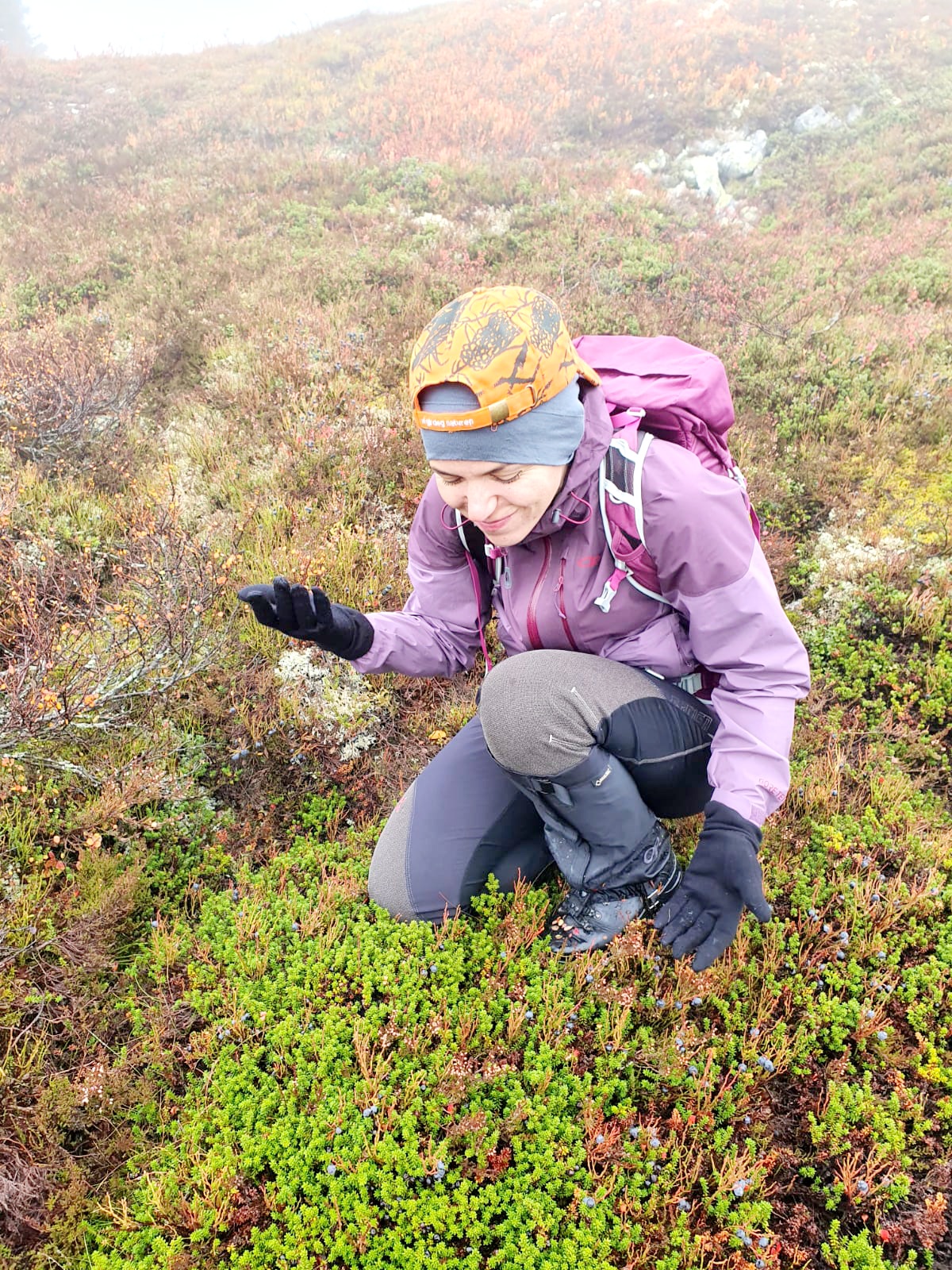
So, here I am. Nowhere close to where I’d thought I’d be at 33 but exactly where I want to be nevertheless. For one, there is Sam. I’m starting to take seriously my impulses to write and I’ve learned how to make blueberry jam out of blueberries I have picked in the surrounding forest. Sometimes I just breathe. At the same time, I am beginning to question all I thought I knew. I am not doing this in a structured manner but keep being overcome by pressing questions and insights that spring seemingly out of nothing. I am questioning what’s important to me, what I care about. I’m trying to figure out where ideas about me and criteria for success that I no longer recognise as my own initially came from. Some days, as if to follow up on a wholesale destruction of 20 years worth of diaries that I completed two summers ago, I want to dissolve into thin air, so suffocating the past feels. Other days, I don’t even know what foods I like and wonder whether I bought that book because I thought I’d enjoy reading it or because it fit with an idea of myself I wanted to portray after I’ve mindlessly picked up said idea that such a portrait was desirable.

Although I sometimes find the process upsetting, even scary, I don’t actually mind the dissolution of the mirage of me as otherwise there’d be no space left for me, that core, whatever she may look like. I want to be patient, and bask in the liberating and invigorating periods, but I am also curious to meet her. Clueless as to where to start, I sometimes make lists of things I still, again know for sure. The lists are short. I love Sam. I like walking barefoot. And as I draft this essay and listen to summer rain, thunder and the neighbour’s kid’s laughter, I know that I like the sounds of those, too. It’s a start.

Creating Floodplain

Outside my day job, I am a thinker and a writer. I find wisdom in the ordinary of the day and live with an urge to translate experiences and hunches into words and coherent paragraphs, not in order to add to life but to make sense of it. Sometimes I catch myself smiling, basking in the satisfaction of having articulated a thought elegantly. At other times, I am flabbergasted by a realisation that is so obvious (to the wise) and revolutionary (to me).

When I discuss the inner workings of my mind, the refined insights but also – and predominantly – entangled thought processes, puzzling observations and emotions both familiar and new with my husband, friends and family, I am more often than not humbled by their translations of my inner chaos into human language, their reflections on their own experiences, identical, analogous or opposite and the ear they lend me. I have come to understand that the adage I think therefore I am is not wrong but incomplete. We think and therefore we are.

What is it that we think about? Love and relationships. The nature and evolution of friendships and family dynamics. Professional paths and how they turn out to be not at all as linear as we envision them in second year of law school. Joy. The mammoth and the subtle developments in collective and individual political opinion. Over and over again I discover that I am clothed in old and familiar but limiting shells, which I must discard so that I might grow new, glittering scales that will allow me to explore unknown waters.

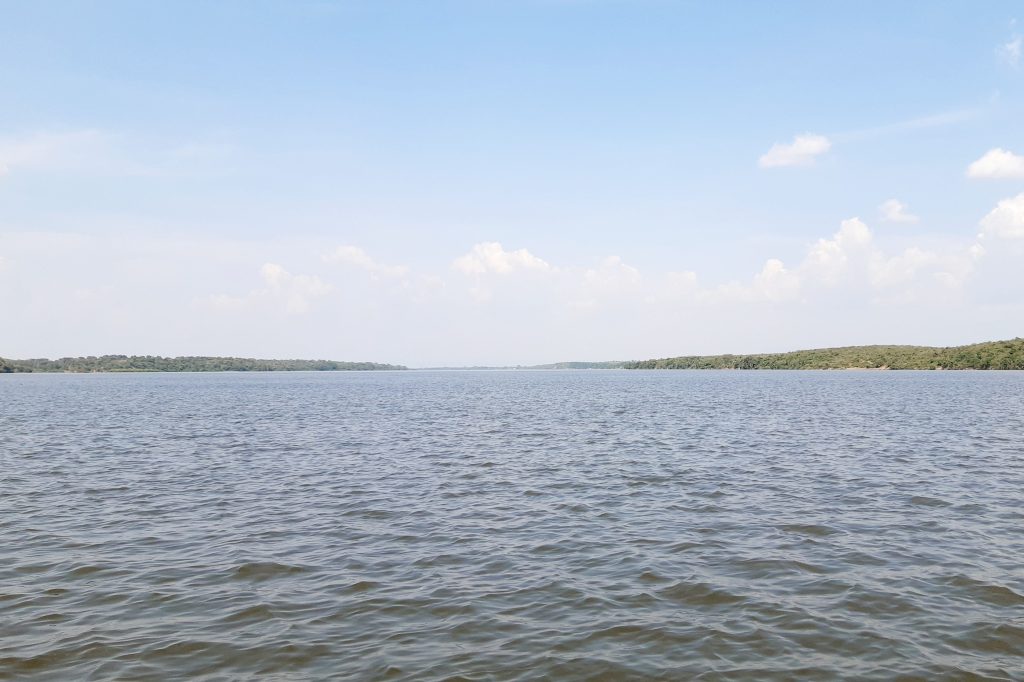
I am 33 years old. Almost like a goldfish with the memory span of, well, a goldfish, I have the repeated realisation that the 30’s are the time when we finally begin to really tune in with ourselves. Not because life stops but because it changes its rhythm. The 20’s are fast-paced. University degrees and first jobs. Romantic relationships that matter but don’t last, friendships often intertwined with our professional endeavours. In the 30’s, our professional and romantic lives become less tumultuous and friendships begin a life-long transformation in which they transcend school and work and often gain in love and depth what they relinquish in the commitment of time. This new rhythm of life, now resembling less a river rushing down a waterfall but rather its slower, although not less intense exploration and creation of its floodplain frees up cognitive bandwith and leaves us with more time to make sense not just of our surroundings but, equally importantly, ourselves. The 20’s are not the time when an up-and-coming star with an MSc in behavioural economics and all the right internships and references signs up for the local forest association’s annual mushroom hunting course. In the 30’s, she just might.

This is what the Floodplain is about. It is about a more tender rhythm and hightened awareness, the courage to pause, be curious, accept change and play. It is a tip-of-the-hat to the breathtaking people who never cease to amaze me with their wisdom and a conversation with other 30-somethings and floodplainers of all ages.

Floodplain: Writings on transient truths and tangible lightnesses will feature a new post every three weeks and will, I hope, over time also offer long-reads, interviews and guest contributions.